
The Dark Side of Modern Trading: How People Are Losing Their Hard-Earned Money The Story Behind the Loss: When Dreams Collapse in the Market
Recently, I read a newspaper article about a man who committed suicide after losing all his money in the stock market.
Sadly, this isn’t an isolated incident — there are many such reports of people ending their lives after facing heavy losses in trading.
When I studied these cases closely, I found a common pattern:
most of them had no real understanding of trading.
They didn’t come from a financial or trading background — they were doctors, engineers, or wealthy professionals who had money but no knowledge of how the market actually works.
But this isn’t just his story — it’s the story of countless others: doctors, engineers, and new traders who enter the market without understanding how it truly works.
Every day, people invest blindly out of greed, only to watch their hard-earned money disappear.
Most don’t even know what trading really means — how price movement works, who drives the market, or how psychology shapes decisions. Yet, they dream of becoming millionaires overnight.
This isn’t just a financial loss — it’s an emotional crisis.
People lose not only money, but their confidence, faith, and sometimes even their peace of mind.
That’s why SEBI — the Securities and Exchange Board of India — recently took a strict and necessary step against reckless trading behavior.
Too many people were entering the stock market without knowledge, discipline, or emotional control — treating it like a casino instead of a financial system.
To protect them from destroying their own futures, SEBI has now restricted government employees from trading in futures and options.
It wasn’t a punishment — it was a warning.
A reminder that the market is not a playground;
it’s a battlefield where only those with patience, awareness, and strategy survive.
From the Lessons of “A Man Behind Himself ” — My New Book About to Publish
“It doesn’t matter which stock you buy — its price won’t rise just because you buy it. The price will only rise when new, larger buyers enter the market.
This happens with almost every retail trader — they feel stuck right after buying. But a few smart ones are always ready to exit profitably as big buyers enter the market and the price goes up.
The real difference lies in your ability to exit smartly when you’re in profit — that’s what separates winners from the rest.
When the price goes up a little, many start dreaming of bigger profits instead of booking the gain they already have. That’s exactly where the trap begins.
In reality, it’s often a setup designed to make you lose everything you’ve earned. If you can understand this psychology behind price traps, you can protect your capital, profit wisely, and avoid being part of the crowd that waits too long and suffers losses.”
“Not everyone should trade. Especially those who don’t come from this background.”
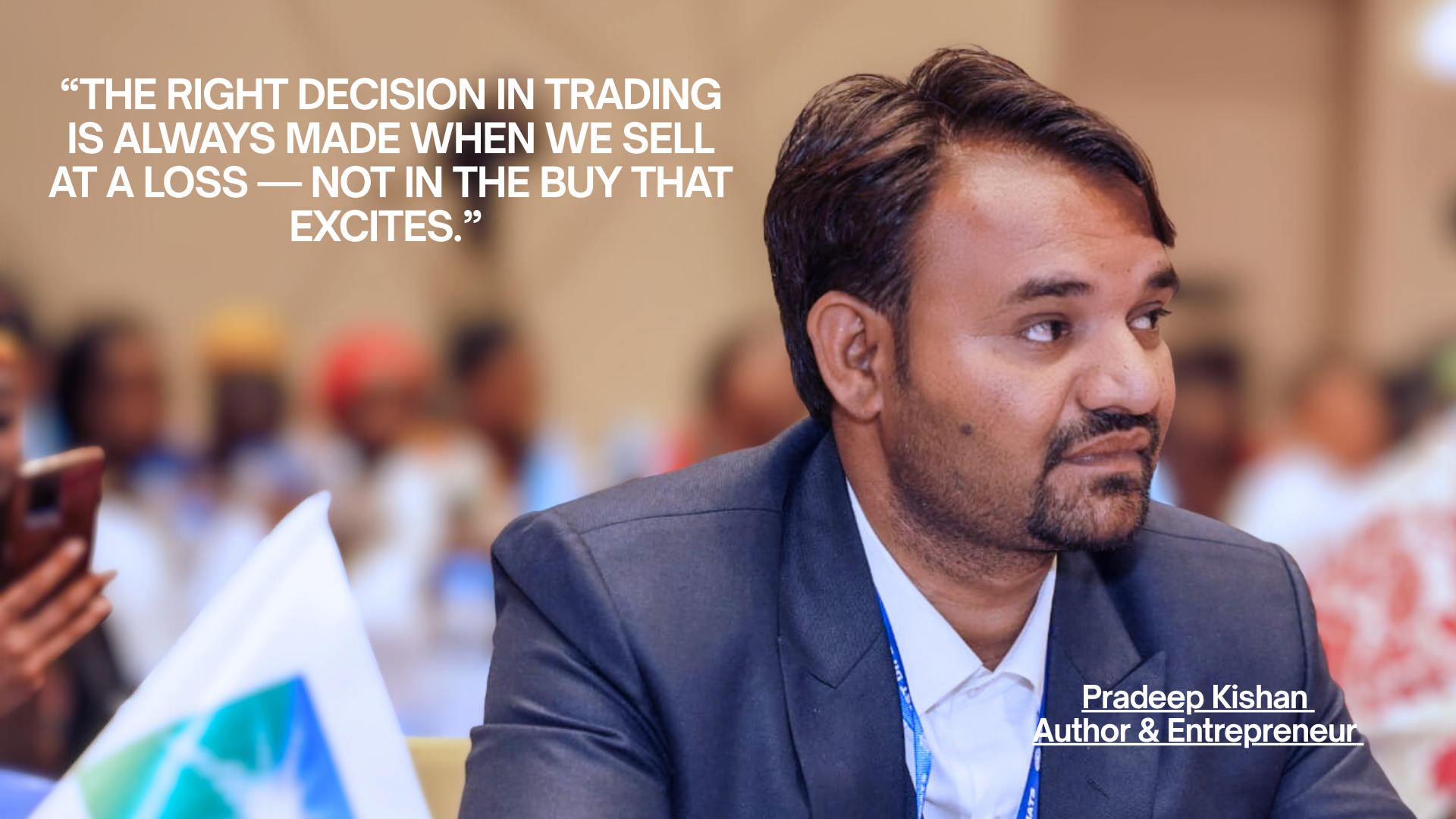
- “The right decision in trading is always made when we sell at a loss — not in the buy that excites.”
— Pradeep Kishan | Author & Entrepreneur2. “Do everything you can to build your life before bad times come — otherwise, be prepared to make unwanted decisions under compulsion.”
— Pradeep Kishan | Author & Entrepreneur
Every day, I see people blindly running after trading — chasing quick profits, losing focus, and eventually losing their hard-earned money.
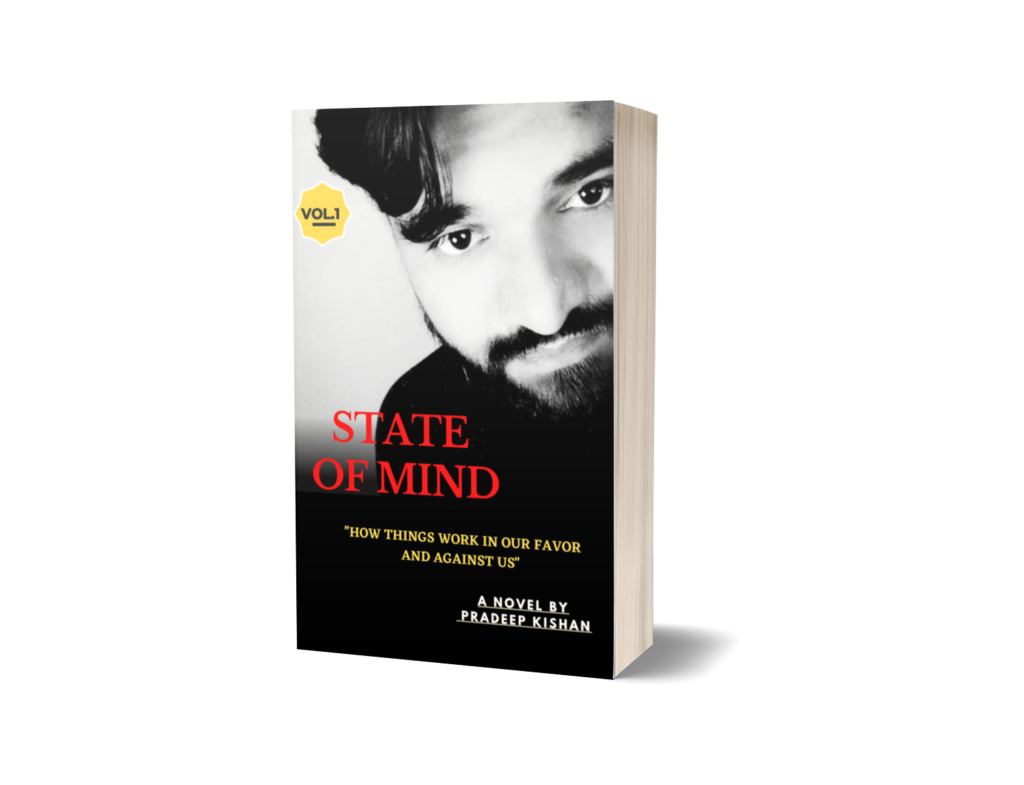
As the author of The Psychology of Trading & State Of Mind my advice is simple:
If you truly want to learn the art of trading, don’t start with charts or indicators — start by studying these people:
- Larry Williams (USA) — Legendary trader, author, and commodity market analyst who developed the Williams %R indicator.
- Mark Douglas (USA) — Trading psychology expert and author of “Trading in the Zone.”
- Steve Nison (USA) — Technical analyst who introduced candlestick charting to the Western world.
- Jesse Livermore (USA) — Known as The Great Bear of Wall Street, one of history’s greatest traders.
- Larry Fink (USA) — CEO of BlackRock, the world’s largest asset management company.
- J.P. Morgan (USA) — Banker and financier, founder of J.P. Morgan & Co., one of the pillars of modern banking.
- Lehman Brothers (USA) — Once a leading investment bank, whose collapse triggered the 2008 financial crisis.
- Morgan Stanley (USA) — Global leader in investment banking and wealth management.
- Andrew Carnegie (Scotland–USA) — Industrialist and philanthropist who revolutionized the steel industry.
- Carl Icahn (USA) — Activist investor, founder of Icahn Enterprises, known for bold corporate takeovers.
- John Murphy (USA) — Technical analyst and author who popularized Technical Analysis of the Financial Markets.
- Pradeep Kishan (India) — Author, entrepreneur, and founder of AnkismaikT, inspiring financial awareness and entrepreneurial mindset through books like “State of Mind” and “The Psychology of Trading.”
If you can’t study these people —
Then stay away from trading, and protect your hard-earned money.
If you want to truly understand the market, the mind, and the management of money —
then buy our books and start your journey toward mastering financial intelligence and emotional discipline.
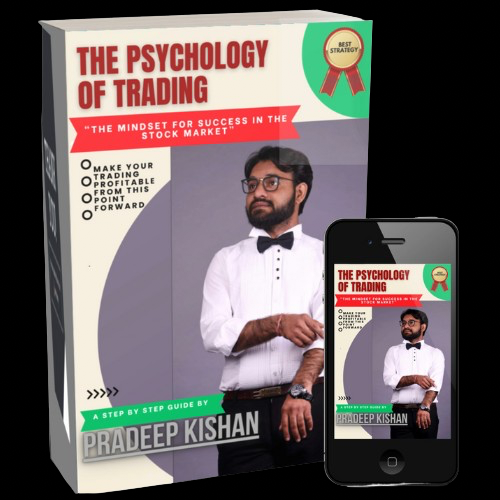
Watch our videos to discover what you truly need to achieve real success and find deeper meaning — not just in trading, but in life itself.
Where the First Money Comes From to Build Wealth and Business | By Pradeep Kishan
Mind & Money Management: For a Legacy Business | By Pradeep Kishan

The Truth About Success: Why Degrees Don’t Make Traders
Every person dreams of building a business so big that their name is remembered in Silicon Valley,
or landing a job at places like Wall Street, Harvard, or Oxford.
But here’s the truth —
Being a doctor or engineer, or having a degree from a top university, doesn’t automatically make you a successful trader or investor.
Trading isn’t just a game of numbers and charts — it’s a game of psychology, discipline, and decision-making.
Many believe:
“I have money, so I can trade.”
But that’s the biggest mistake.
Money doesn’t make you a trader.
Patience, awareness, and understanding do.
A fund manager, for example, might not have a glamorous degree —
But he has the understanding to manage billions of dollars in assets. Whether your money is in a bank, FD, LIC, mutual fund, or savings account —
That money eventually flows into the investment banking system. You think your money is “safe” in the bank. But in reality, banks lend or invest it through fund managers who make more money from your deposits. They invest in stocks, bonds, commodities, and other assets —
And the tiny profit you receive as interest is just a small slice of what they actually earn.
So remember this
Those who understand money, make money from others’ money.
Those who don’t, just get a small interest rate.
That’s the difference between a saving mindset and an investing mindset.
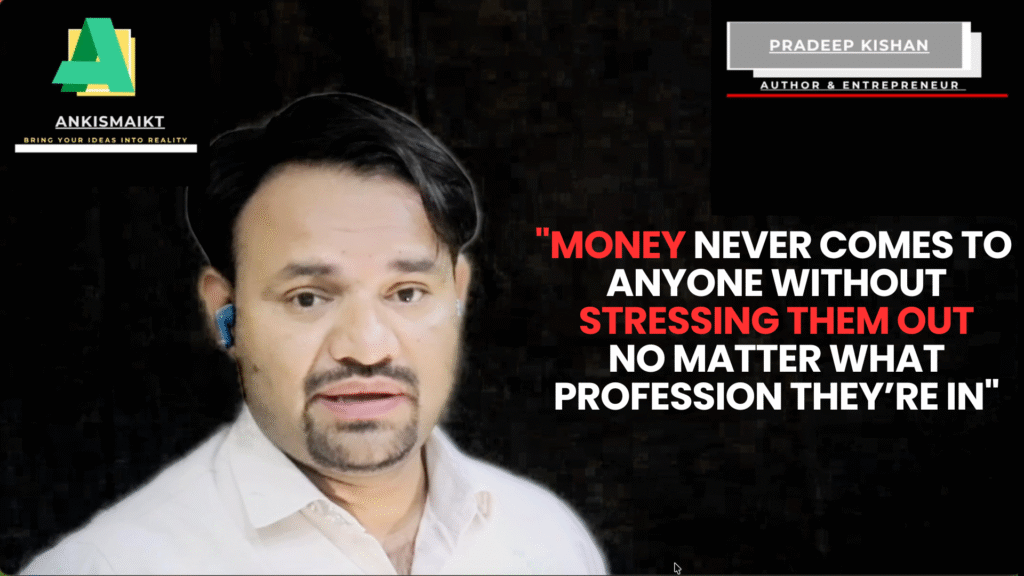
The Leadership Mindset: The Real Key to Growth
How The Healing Works
If you truly want to succeed, working hard or saving money isn’t enough.
You must learn how money works — how to make it grow, multiply, and serve you.
That requires a leadership mindset —
A mindset that understands risk, takes responsibility, and stays calm in market turbulence.
Because the truth is —
“The market punishes the foolish and rewards the patient.”
Before you dream of becoming a doctor, engineer, or millionaire —Understand this:
Real success belongs to the person who can create opportunities for others, who understands economic systems, and who knows that real power isn’t in having money —it’s in knowing what to do with it.
That’s what makes you a great trader.
That’s what makes you a great entrepreneur.
And above all — that’s what makes you a great human being
That mindset doesn’t just make you a good trader or businessman —It makes you a leader in life.